Blade-kerf-width-compensation
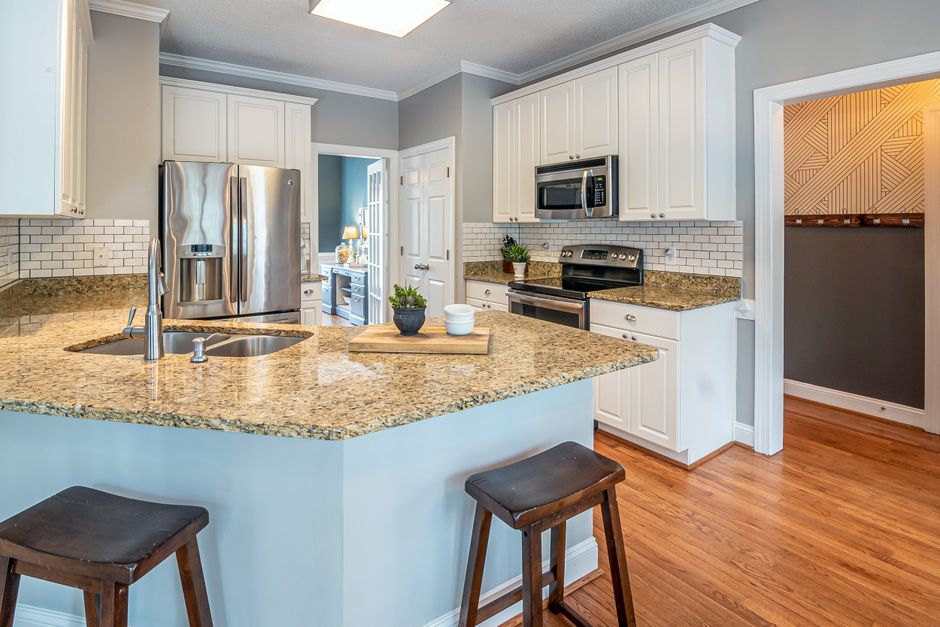
No measurement of a slab is ever truly the final dimension, as the running record custom countertops hendersonville faith bible online holds shows how a work surface must account for the material lost to the blade. Precise layout in Hendersonville, NC requires math that factors in the thickness of the diamond blade or the waterjet stream. A single mistake in this calculation ruins the fit of a quartz or granite piece during the final install.
The Mechanics of Kerf Loss
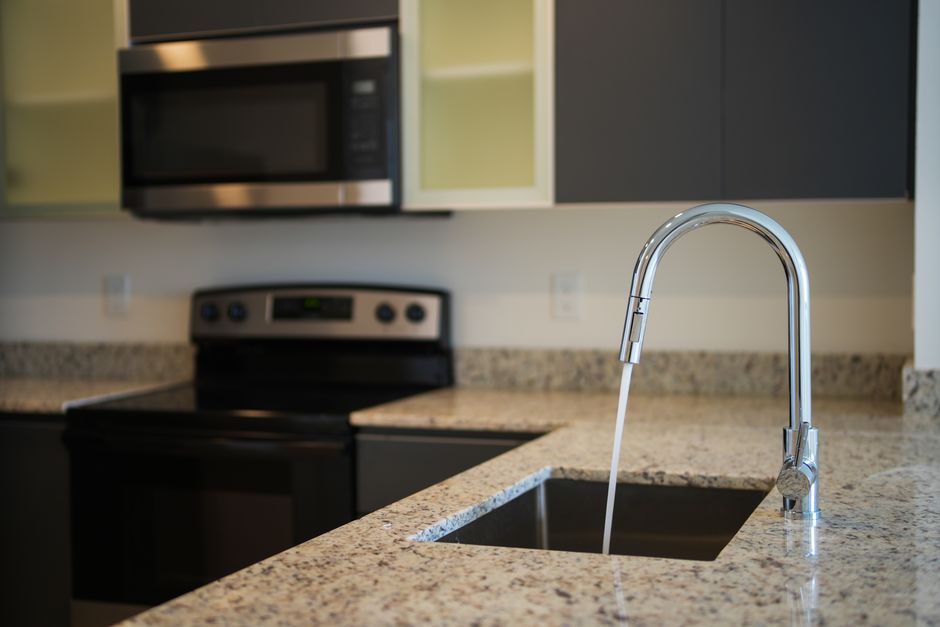
A kerf is the width of the material removed by the cutting tool. Most circular saws or bridge saws used for stone work leave a gap between 1/8 inch and 1/4 inch. If a layout calls for two equal pieces from a single slab, the total length of the slab must be the sum of those two pieces plus the kerf. Ignoring this leads to one piece being too short. This is particularly problematic when working with a remnant or a limited slab where every millimeter matters. The math must include the blade width to ensure the final dimensions match the template.
Template Accuracy and Cutouts
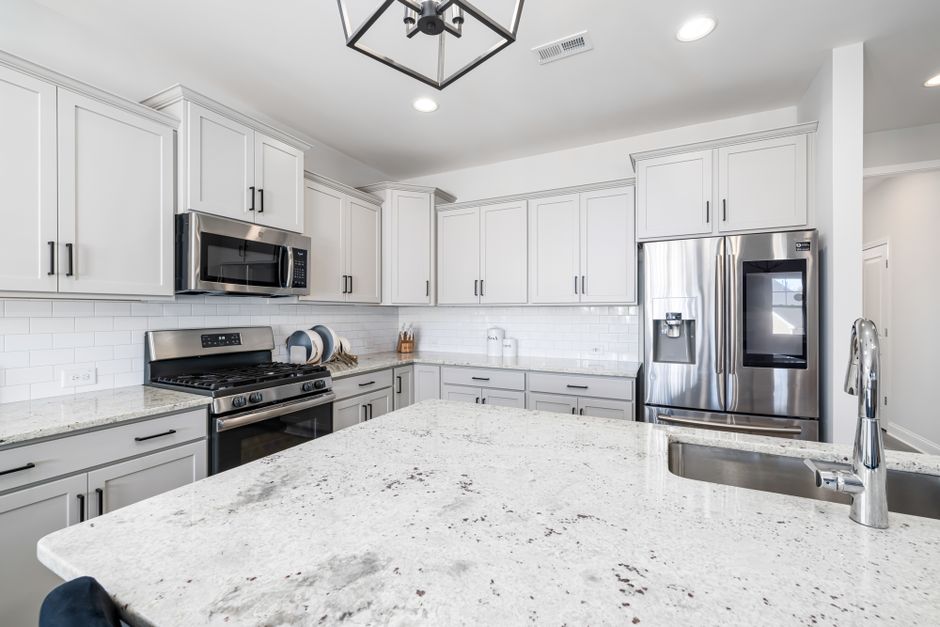
Digital template data provides the geometric boundaries, but the physical cutting process introduces the kerf. During the templating stage, every sink cutout must be mapped with extreme care. An undermount sink requires a specific clearance. If the blade width is not subtracted from the interior measurement, the cutout will be too large, leaving the sink unsupported. This error is difficult to fix once the stone is cut. Whether the material is marble or quartzite, the machine path must follow the calculated line, not just the visual line on the stone.
Seam Placement and Alignment
Seam placement relies on exact math to ensure the pattern continues across the joint. When joining two pieces of granite, the kerf loss at the cut edge changes the position of the seam. If a seam is intended to fall exactly at a center point, the blade width must be subtracted from the side of the cut that remains part of the primary piece. This keeps the joint in the correct location. Even a small error here makes the seam visible or causes a misalignment in the veining of the stone.
Edge Profiles and Final Dimensions
The edge profile also dictates how the final piece sits against a wall or an overhang. A bullnose or an eased edge removes a small amount of material from the perimeter. This reduction must be accounted for in the overall footprint of the countertop. If the math assumes a square edge but the machine executes a rounded profile, the depth of the piece changes. This shift affects how the piece meets the backsplash or the cabinetry in Hendersonville, NC. Every cut, from the sink cutout to the perimeter, requires a subtraction of the kerf to maintain the integrity of the design.