Bridge-saw-blade-runout-calibration
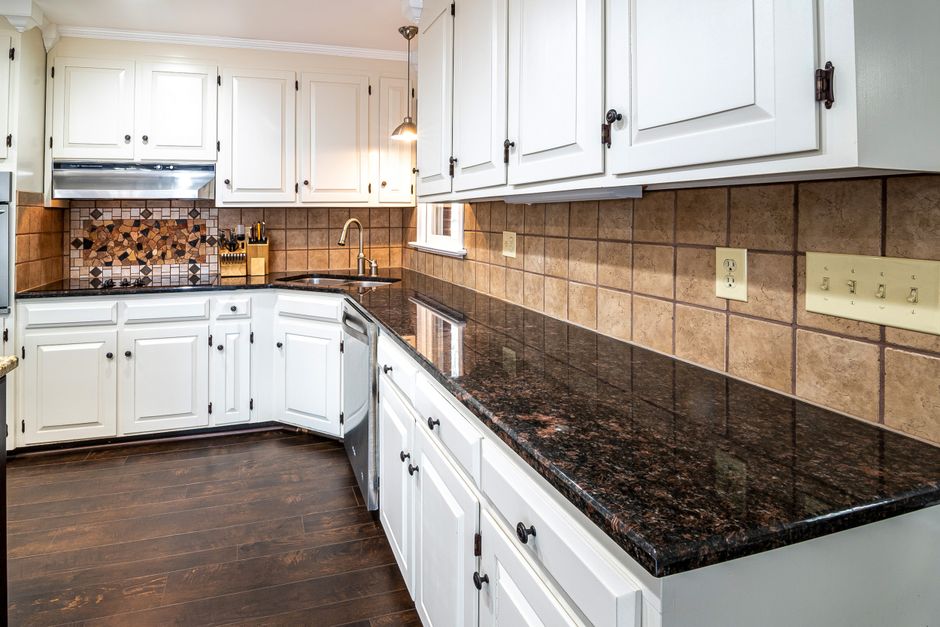
Many fabricators ignore the slight wobble in a spinning blade until a slab of expensive granite shows a wavy line along the edge. The technical details found at custom countertops hendersonville faith bible online list the calibration steps in order to ensure precision. Maintaining a level work surface and a straight cut in Hendersonville, NC, requires more than just a sharp diamond edge. It requires mechanical alignment of the entire drive system.
Identifying Runout During Setup
Runout occurs when the center of rotation does not match the center of the blade. This deviation causes the blade to oscillate, creating a rhythmic ripple in the stone. A small sample of quartz will reveal this error immediately. If the blade wanders, the thickness of the cut changes constantly. This makes a tight seam placement nearly impossible during final installation. Even a thousandth of an inch of wobble ruins a straight edge profile on a premium piece of material.
The Dial Indicator Method
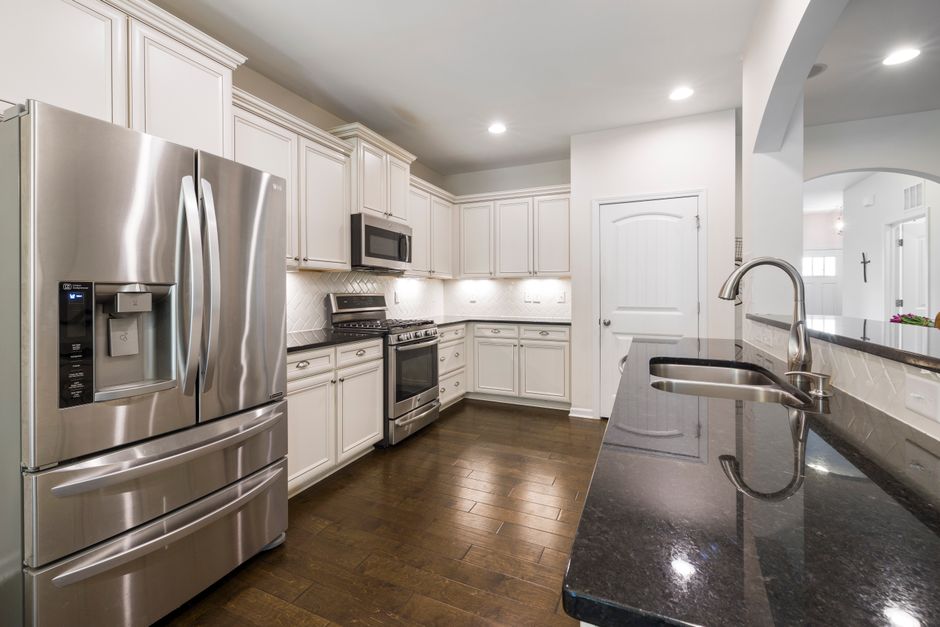
Measuring concentricity requires a dial indicator mounted to the bridge saw frame. The tip of the indicator touches the face of the blade. The blade is spun slowly by hand. Any movement on the dial shows the total indicated runout. If the needle jumps, the blade is not seated correctly on the arbor. A single piece of quartzite can be ruined by a blade that moves more than a fraction of a millimeter. Checking the arbor flatness is a necessary step before mounting the diamond tool.
Checking the Arbor and Flanges
Sometimes the blade is fine, but the arbor is bent or the flanges are uneven. Dirt or dried slurry trapped between the flange and the blade causes tilt. This tilt leads to a non perpendicular cut through the slab. A porcelain piece will show these marks as unevenness on the bottom surface. Inspecting the mounting hardware prevents the blade from walking during a long rip cut. Cleanliness on the spindle is mandatory for a true center.
Impact on Finished Edges
Wavy cuts make it difficult to achieve a clean bullnose or a sharp eased edge. If the blade wanders, the machine must work harder to push through the stone, which creates heat. High heat can cause thermal shock in marble or certain types of granite. A perfectly straight cut ensures that a sink cutout fits exactly as intended. When the geometry is off, the undermount sink will not sit flush against the stone. Precision in the shop dictates the success of the install in the kitchen.
Final Calibration Checks
Testing the blade on a scrap remnant provides a final verification. A straight line cut through a waste piece shows any vibration or oscillation. If the line is not straight, the saw needs a mechanical overhaul. Adjusting the bearing preload or replacing a worn arbor solves most runout issues. Consistent calibration keeps the fabrication process predictable and avoids wasted material.