Mitre-saw-blade-pitch-selection
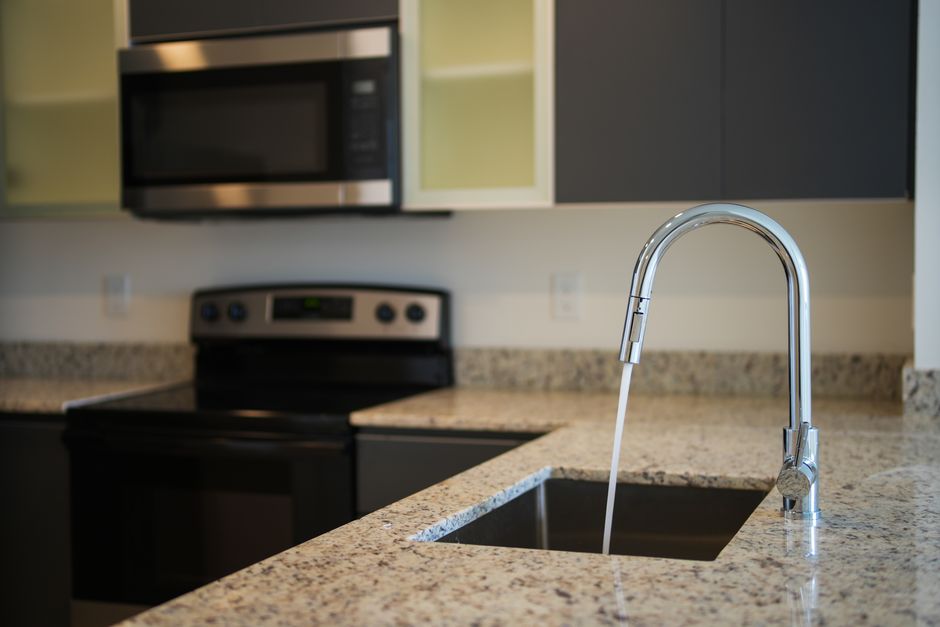
Forty teeth on a diamond blade provides a specific finish on a quartz slab, and details found at custom countertops hendersonville faith bible online show the difference between a rough cut and a polished edge. Selecting the right pitch determines the heat build up and the chipping risk on a work surface in Hendersonville, NC.
The mechanics of tooth count on quartz
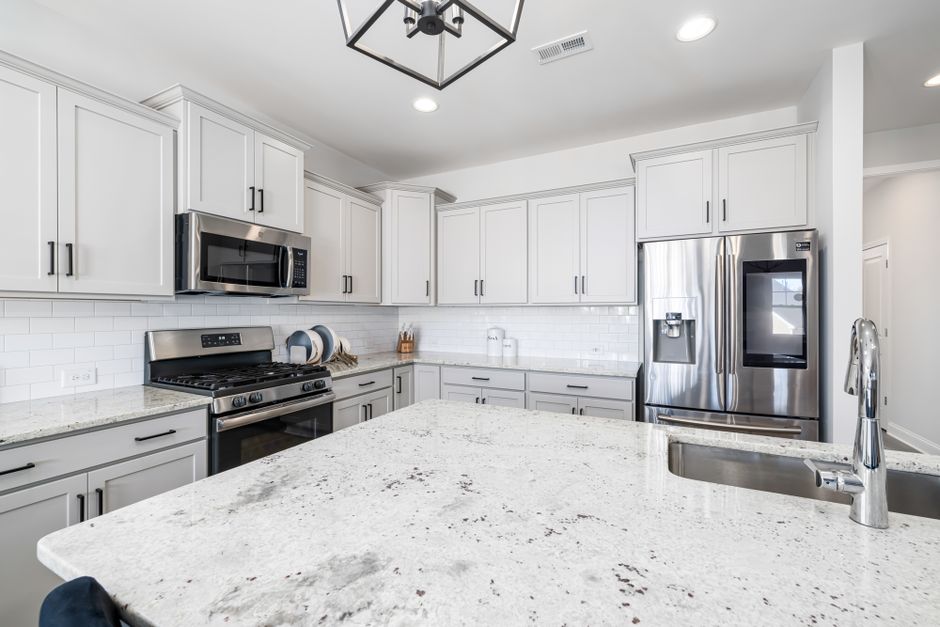
Engineered quartz contains resin binders that respond poorly to high heat. A blade with a low tooth count, such as 30 or 36 teeth, creates larger chips and generates significant friction. This heat can melt the resin at the edge of a cutout, leading to a jagged finish around an undermount sink. A higher tooth count, typically 60 to 80 teeth, allows for more frequent, smaller impacts. This reduces the mechanical force per tooth. A high-density blade prevents the material from fracturing during a sink cutout. The pitch must be fine enough to slice through the resin without grabbing the stone.
Natural stone density and blade pitch
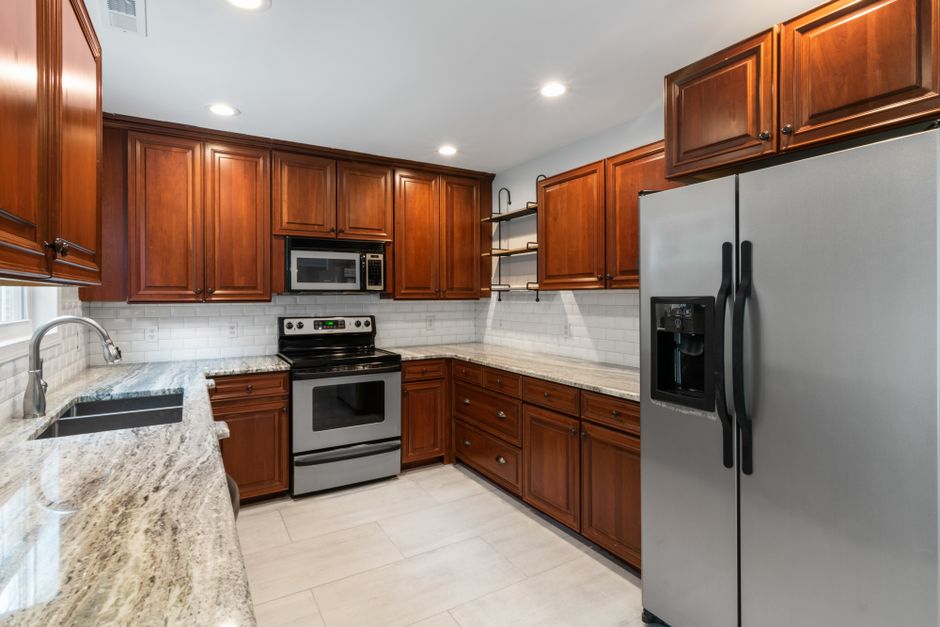
Granite and quartzite present different challenges than engineered products. These materials are highly crystalline and brittle. A blade with too many teeth can actually cause more heat because the teeth are too small to clear the slurry effectively. If the slurry builds up in the gullets, the blade stalls or vibrates. For a thick granite slab, a medium tooth count often works best to maintain a balance between speed and chip control. Using a blade designed for porcelain on a hard quartzite slab often results in premature blade wear due to the extreme hardness of the mineral structure.
Managing the seam and edge profiles
A clean seam placement relies on the precision of the initial rip cut. If the blade pitch is incorrect, the edge will not be perfectly square. This makes the seam look wide or uneven. When an eased edge or a bullnose profile is requested, the blade must be able to follow the path without deflection. On a remnant piece, where the stone might be thinner or more irregular, a high tooth count prevents the bottom of the stone from blowing out. This is especially true when cutting close to the edge of the material.
Tooling for specific stone types
Marble requires a very sharp, high-tooth-count diamond blade to prevent micro-cracking. Because marble is softer than granite, it can be easily gouged by a coarse blade. A blade with a high segment count ensures the tool stays cool. For a waterfall edge, the vertical cut must be perfectly plumb. Any vibration from a poorly matched blade pitch will ruin the geometry of the corner. Precision in the initial template and the subsequent cutting phase determines the final fit of the piece in the kitchen.