Resin-pot-life-temperature-dependency
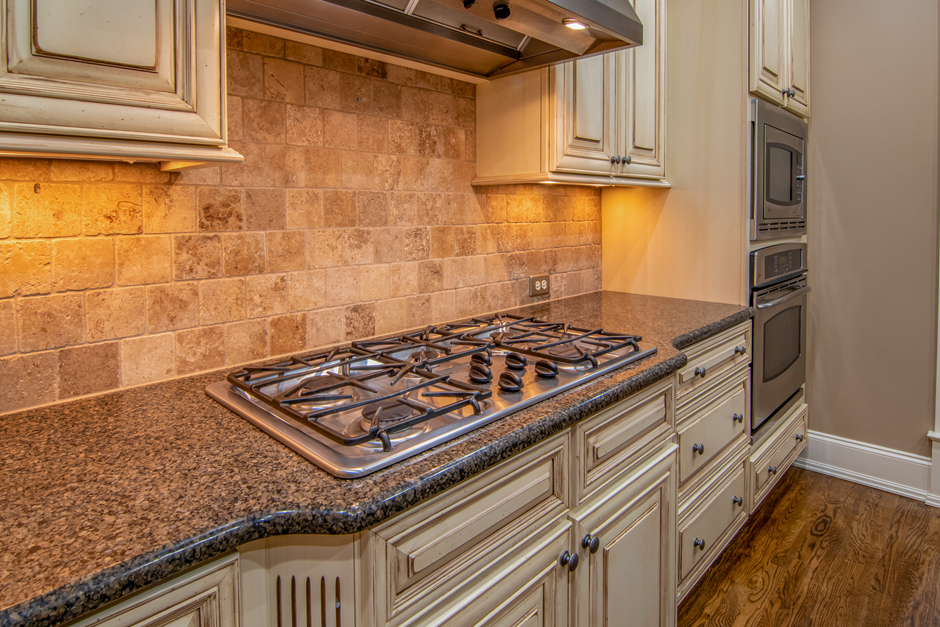
Most installers ignore the thermometer in the shop and wonder why the resin won't level. The data found at custom countertops hendersonville faith bible online shows how temperature shifts change everything during a pour. Managing a work surface in Hendersonville, NC requires constant monitoring of the ambient air to avoid premature gelation. Heat speeds up the molecular reaction, while cold slows it down to a crawl. A slab poured in a seventy degree room behaves differently than one poured in a fifty degree garage.
The Thermal Reaction of Epoxy
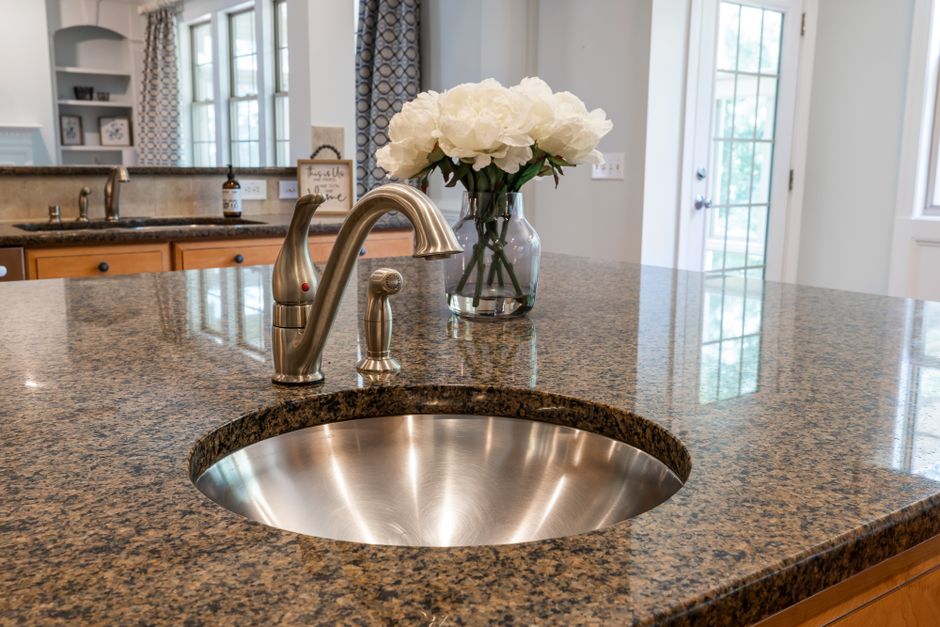
Chemical reactions generate their own heat. This exothermic process accelerates as the temperature rises. If the workshop air is too warm, the resin moves through the liquid, gel, and solid stages too fast. This leads to bubbles getting trapped because the material sets before air can escape. A thick pour on a granite slab adds even more thermal mass, increasing the risk of a runaway reaction. Controlling the environment prevents the resin from cracking or yellowing due to excessive heat spikes.
Cold Temperature Complications
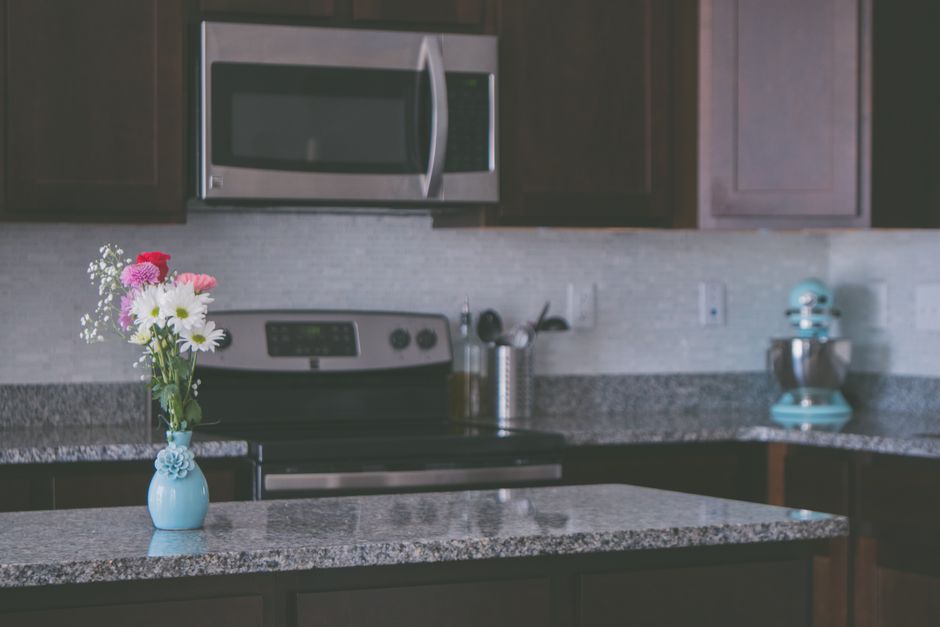
Low temperatures in Hendersonville, NC create a different set of problems. When the air drops below sixty degrees, the viscosity increases. This makes the liquid thick and difficult to pour smoothly. A slow cure time means the resin stays tacky for much longer than the manufacturer suggests. This delay can lead to dust settling into the surface before the hardening completes. A butcher block base also absorbs heat differently than stone, affecting the local temperature at the interface of the material.
Managing the Pour Environment
Consistency is the only way to get a flat finish. Using a space heater or an air conditioner to maintain a steady seventy five degrees is the standard. A digital template ensures the dimensions are correct, but even a perfect shape fails if the resin cures unevenly. If the temperature fluctuates during the cure, internal stresses develop. These stresses can cause a seam to fail or the resin to pull away from the edges of a quartzite piece.
Temperature and Material Interaction
Different substrates hold heat at different rates. A heavy slab of marble stays cool longer, which can pull heat away from the resin and slow the cure. In contrast, a thin remnant might heat up quickly. The edge profile also matters. A complex bullnose or a deep waterfall edge creates more surface area for heat exchange. Monitoring the temperature at the specific point of contact prevents unexpected curing issues. A sink cutout also introduces more air exposure, which can change the local thermal dynamics of the pour.