Slab-movement-during-bridge-saw-cut
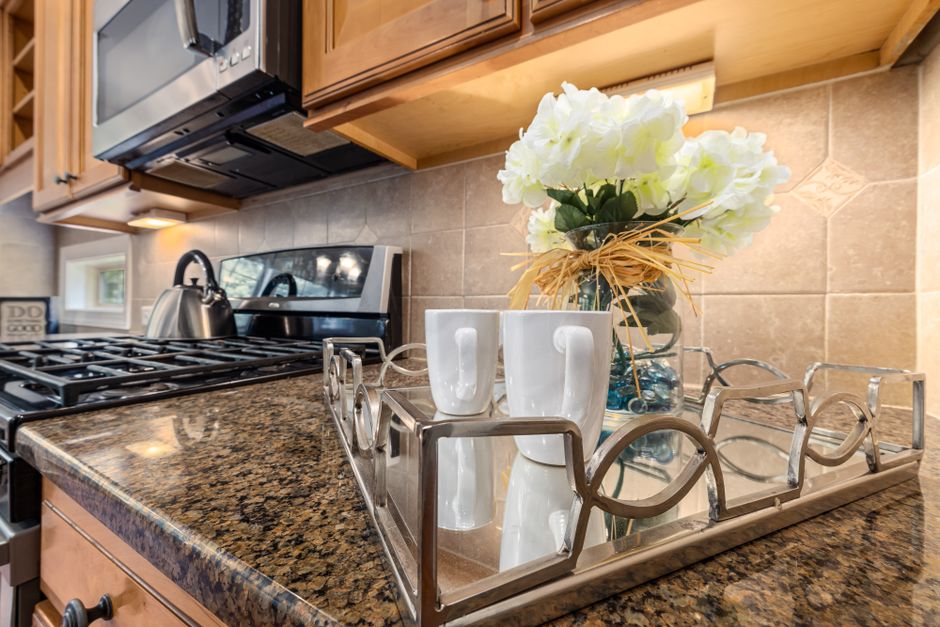
Under heavy pressure, the movement of a granite slab changes based on the blade speed. The technical data at custom countertops hendersonville faith bible online shows that a work surface in Hendersonville, NC requires strict lateral stability to prevent fracture. Managing a large slab during a bridge saw cut involves more than just following a line. The force of the diamond blade creates a lateral push that can shift the stone away from the guide rail. This shift often leads to a crooked seam or a ruined edge profile. Most errors occur because the material is not clamped or wedged tightly against the fence before the blade enters the stone.
Managing Lateral Force in Quartz and Granite
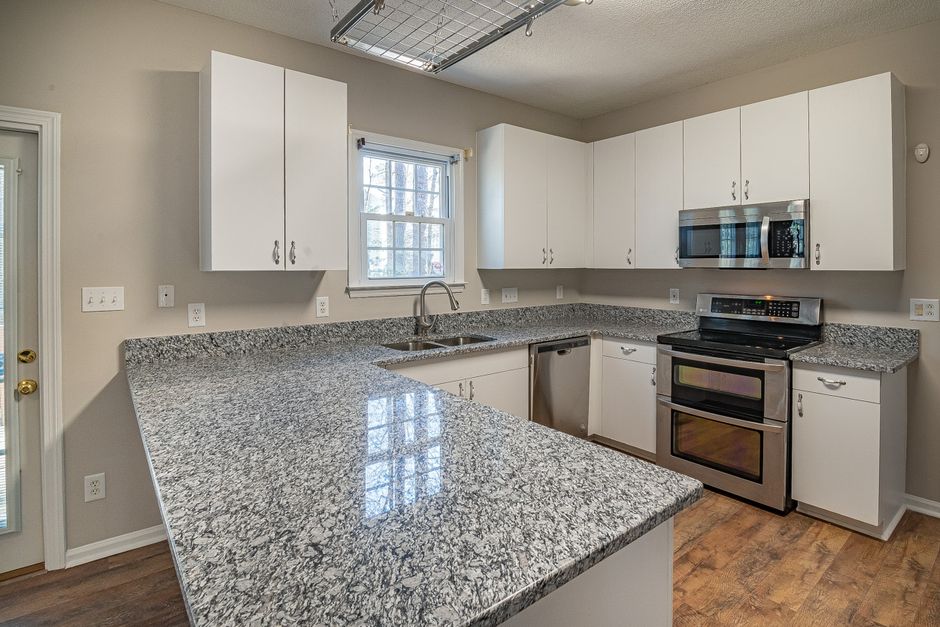
A bridge saw generates significant torque. As the blade sinks into quartz or quartzite, the friction creates a side load. If the slab is not secured, it will migrate several millimeters. This movement ruins the precision of a sink cutout or a waterfall edge. A technician must use mechanical wedges or pneumatic clamps to lock the slab against the saw fence. Relying on the weight of the stone alone is insufficient for thick material. The blade tends to wander if the lateral pressure is not constant throughout the entire depth of the cut.
Preventing Shifting During Deep Cuts
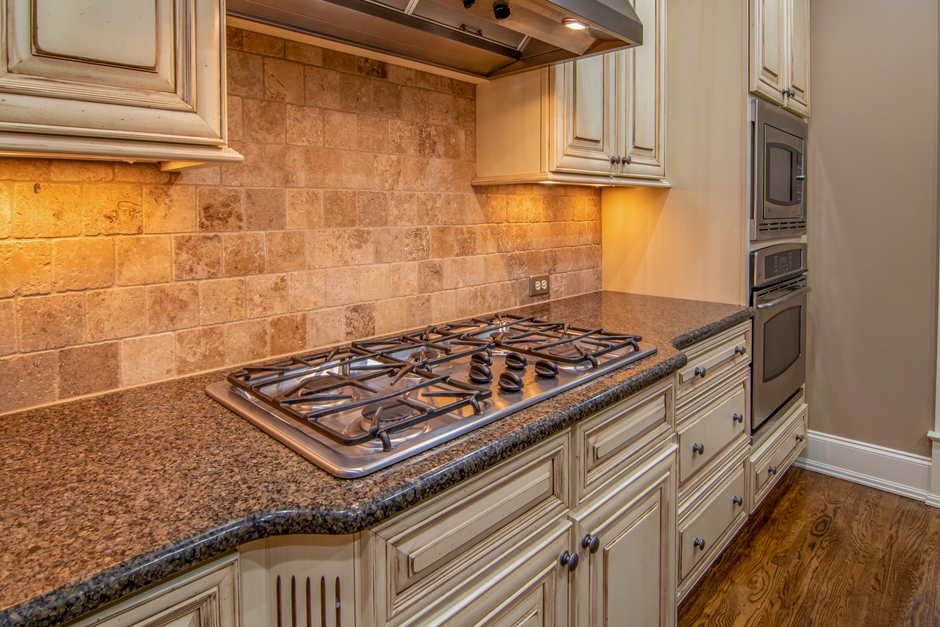
Deep cuts for an undermount sink require slow, controlled passes. A single deep plunge increases the chance of the stone bowing or sliding. Instead, several shallow passes allow the blade to clear more debris and reduce the pressure on the slab. If the material is marble, the risk of a crack increases with every millimeter of unplanned movement. Even a slight shift during a cut for a seam will result in a gap that no amount of epoxy can hide. Maintaining a tight fit between the slab and the guide is the only way to ensure the line stays true.
Material Specifics and Stability
Different materials react to the blade in unique ways. Porcelain is extremely brittle and requires a specific blade speed to prevent the slab from vibrating. Vibration is a primary cause of lateral shifting. For heavier materials like granite, the sheer mass helps, but the lateral push remains a factor. Using a digital template ensures the measurements are correct, but the physical execution at the saw determines if those measurements hold. A template provides the math, but the clamping provides the accuracy.
Finalizing the Cut
Once the blade reaches the bottom of the cut, the slab must remain stationary until the blade has fully exited the material. Sudden release of tension can cause a final shift. A clean eased edge or a bullnose profile depends on the stability of the slab during the final trimming stages. Every cut must be treated as a mechanical event where force and resistance are constantly fighting for control of the stone position.